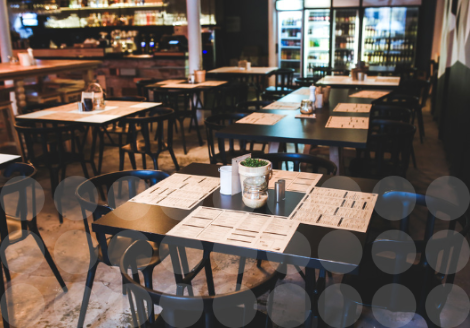
Every operator knows that feeling. And for multi-site groups, those empty tables don’t stay isolated incidents. They add up across every site, every service and every week, quietly eroding margin and making staffing and stock decisions harder to get right.
New research from KAM and Propeller, the Hospitality Bookings Benchmark 2026, highlights what no-shows are costing the industry. Nearly three-quarters of operators say up to one in ten of their bookings don’t show. Reported annual losses range from £8,000 to £400,000.
The research highlights that no-shows are rarely malicious, which means they’re far more manageable than they feel at 7.45pm on a Saturday.
Key numbers from the report
16% of guests say they have not turned up to a table booking without cancelling. That’s roughly one in six diners. For a busy multi-site group taking thousands of bookings a week, it’s a material number of covers left unserved, and labour and stock planned for guests who never arrive.
59% of guests who no-show say the main reason is a change of plans. This is the most important finding in the research. A further 26% simply forgot. Most no-shows aren’t people deliberately letting a venue down, which points to a friction problem as much as a behaviour problem.
18 to 24-year-olds are 2.8 times more likely to no-show than the overall average. 44% of this age group admit to having done it, against 16% of all guests. Knowing which guests and booking types carry the most risk means you can focus your efforts where they’ll make the biggest difference.
37% of guests say the risk of losing a deposit would make them more likely to cancel instead of not showing up. An easier cancellation process (31%) and reminder messages (28%) have a similar effect. Each turns a no-show into a cancellation you can actually do something with.
64% of guests think venues should charge for no-shows. And 77% agree deposits are fair at busy periods. That should reassure any operator worried about guest backlash, provided charges are communicated clearly and applied consistently.
Can you track it?
Only 35% of operators can estimate what no-shows cost them, and just 19% track no-show rate as a KPI. You can’t manage a figure you’ve never calculated.
The report suggests an easy formula to follow: no-show rate × annual covers × average spend per head. A group serving 100,000 covers a year at £25 a head, with a 10% no-show rate, is losing £250,000 a year.
Five practical ways to reduce no-shows
- Make cancelling as easy as booking. If most no-shows come down to a change of plans, the quickest win is removing the effort of letting you know. A one-tap cancel or amend link in every confirmation helps turn cancelled tables into an easy rebook. If your booking journey makes cancelling hard, this isn’t helping your no-show rate.
- Make your reminders work harder. Almost every operator (95%) already sends reminders, nearly all by email and most often the day before. Their impact varies by audience: 24% of guests overall say a reminder would prompt them to cancel, rising to 56% among 18 to 24-year-olds. Make sure every reminder includes a quick way to cancel, and consider an extra same-day nudge for larger tables and peak services. Also consider different methods for reminder, SMS and WhatsApp are populate channels.
- Use deposits or pre-authorisations where the risk is highest. Deposits applied everywhere can put guests off booking, so focus them on large groups, special occasions and peak times. Guests are broadly on side when deposits are fairly priced (£6 to £10 a head is the most popular ceiling), deducted from the final bill and backed by a clear cancellation policy.
- Card pre-authorisation is a lower-friction alternative. Nothing is taken upfront and there are no deposits to refund, but you can still charge if a guest doesn’t show. Around half of operators already use it selectively.
- Let your guest data show you the patterns. Most operators (86%) already capture guest data through their booking platform. The opportunity is using it: which sites, days, channels and party sizes see the most no-shows, and which guests repeat the habit? With booking history alongside sales and guest data, you can set policies on evidence rather than gut feel, and apply them consistently across the estate.
- Have a plan to refill the table. Some no-shows will always happen. Only 35% of operators offer a waitlist, yet for venues that regularly hit capacity it’s one of the simplest ways to recover a cancelled booking. Pair it with real-time visibility of availability so front of house can turn a late cancellation into a seated guest.
Why connected technology makes the difference
None of these steps is complicated on its own. The challenge for operators is doing them consistently, across every site, without adding work for already stretched teams. In the benchmark, reporting and analytics were the biggest unmet need from booking systems, with the need for better integration with EPOS, CRM and marketing tools.
That’s where it pays to have your booking platform connected to the rest of your operation rather than sitting on its own. When bookings, EPOS, payments and guest data work together:
- Deposits and pre-payments are deducted from the final bill automatically, so there’s no manual matching at the end of the night and Finance can see exactly what’s been taken.
- Booking history sits alongside spend and visit data, giving you one reliable view of each guest and each site.
- Site managers can see covers, cancellations and availability in real time, and act on them during service.
- Head office can compare no-show rates across the estate and roll out policies that work, rather than leaving every site to work it out alone.
Tevalis connects your EPOS with the booking, payment and guest engagement partners you choose. Because we’re partner agnostic and built around freedom of choice, you’re not locked into one provider, you pick the best tools for your business, and we make sure they work together.
And because we’ve spent more than 20 years working alongside hospitality operators, we can help you decide which policies make sense for your sites, not just switch on the features.
Want to see how Tevalis connects to your booking platform and wider tech stack?
Sources: KAM and Propeller, Hospitality Bookings Benchmark 2026, July 2026; KAM, 5 key facts: A spotlight on no-shows.