Beyond points: what hospitality’s loyalty leaders are doing differently
The strongest loyalty programmes in hospitality aren’t winning on points, they’re winning because they help operators understand their guests, and act on that understanding at every site.
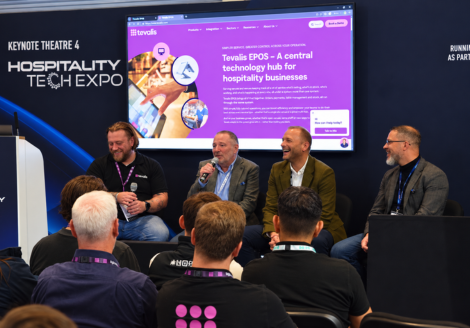
That was one of our key takeaways from the Beyond Points: Hospitality’s New Loyalty Playbook, a breakfast event hosted by Pepper and Stacked at Caravan Covent Garden. Our sales development representative, Harry Matthews, joined operators and loyalty specialists to hear from
- Katie Grundy (CRM & Loyalty Manager, Itsu)
- Gordon Keen (Head of Growth, Brand & Innovation, Laine Pub Company)
- David Broom (Chief Information Officer, Brava Hospitality, Prezzo Italian)
- Jonathan Haywood (Fractional Customer & Loyalty Strategy Director, formerly of Holland & Barrett).
A quick-service brand, a pub group and a casual dining chain, each at a different stage of their loyalty journey. Here’s what we took away.
Make the first reward instant, and worth having
Prezzo Italian launched its loyalty app alongside its rebrand. It reached number one on the App Store within hours and stayed there for four days.
David Broom explained how it worked so well, guests get a reward after their very first visit. Prezzo chose a free dessert because it’s low cost to give away and easy to promote at the table. For Prezzo, it’s a price worth paying to turn a first-time guest into a member.
Itsu changed direction with its scheme. Its old reward, a free can of water, didn’t excite anyone. When Itsu relaunched its programme in late 2025, it made rewards more generous and gave guests a choice, from a free drink to free gyoza.
Your team is your best loyalty channel
If one point came up again and again, it was how front-of-house teams make or break a programme.
Katie Grundy described how Itsu took inspiration from Holland & Barrett, where staff ask almost every customer about the loyalty scheme. Before the relaunch, a team member might simply give a regular something on the house. Now teams understand that getting that guest onto the app means they earn more free food, and Itsu captures the data.
To make it stick, Itsu gave the programme a clearer name and a simple message about the value guests get. It also gave teams conversation starters, added app usage to its weekly mystery shopper reports and ran leaderboards between sites, with a team night out as the prize. App usage grew significantly as a result.
Measure what actually matters
Is loyalty changing guest behaviour or just rewarding people who would have come anyway was a key focus for the panellists.
Itsu compares cohorts, looking at guests who joined in November 2025 against those who joined at the same time a year earlier. Early signs show that better rewards, earlier in the journey, are driving frequency. Prezzo brings bookings, Wi-Fi logins and discount use into one central view of each guest, so it can compare how often someone visited before and after joining.
Jonathan Haywood added two measures from retail:
- Second-visit rate, reported alongside sign-ups. Sign-ups often reflect how engaged your teams are. Second visits show whether the programme itself is working. In one retail business he worked with, getting a customer to a second purchase made them worth around ten times more over five years.
- Frequency and spend, reported separately. A guest who visits just as often but spends a little less hasn’t stopped being loyal. Blending the two can hide what’s really happening.
- Personalisation starts with knowing each site
For multi-site operators, good personalisation is less about clever technology and more about relevance.
Itsu’s data showed that its guests vary widely by location. Suburban shops serve more families, so half-term messages with colouring sheets make sense there. City shops see more after-work and post-gym visits, so the message changes. As Katie put it, the aim is to stop sending blanket offers and hoping for the best, and to avoid giving away margin where it isn’t needed.
Laine Pub Company has taken a community-first approach with PUBBL, a loyalty brand built to protect the independent character of each of its pubs. Gordon Keen explained that channel matters too, email works better for neighbourhood pubs, while push notifications perform better in city-centre venues. Laine also uses its data to win over individual pub managers, moving the conversation from “I think” to “I know”.
Put guest insight where service happens
Operators now hold more guest data than ever. The opportunity is getting it to the people who can use it.
Prezzo’s app brings loyalty, order and pay at table and subscriptions into one place for guests. David Broom said its subscribers visit more often than any other group. Behind the scenes, Prezzo is now using AI to set up campaigns, spot weekly patterns and, most interestingly, bring guest insight to the host stand and handheld devices.
Imagine knowing, as a guest walks in, that it’s their birthday this week, or that they’ve visited six times this year. Especially across a multi-site or multi-brand estate, that small piece of context helps teams make every guest feel recognised.
Guest habits are changing, so loyalty needs to keep up
Jonathan Haywood’s session looked at the wider shifts in retail and what they mean for hospitality.
- AI is changing how guests find brands. He cited research showing 38% of consumers now use AI tools for search and discovery. Walmart reports that customers using its AI shopping assistant spend around 35% more per order. His advice for hospitality, pick one narrow task, such as a booking or a reorder, and test whether AI can do it for guests inside your app. Loyalty teams rarely own the AI strategy, but they usually understand guests best, so they should be part of it.
- Not every guest relationship starts in your own channels. Brands like Yeo Valley and North Face reward customers who buy through other retailers, using QR codes on packs or uploaded receipts. For hospitality, that might mean trialling ways to recognise guests who book or order through third parties, and rewarding guests who share and recommend you on social media.
- GLP-1 medication is reshaping how some guests eat out. Around two million UK adults are already taking GLP-1 medication, and many more are considering it. Early research suggests these guests visit cafés, eat out and order takeaways less often. They haven’t left, though, their habits have changed and are visiting and spending differently. Tiers based purely on spend or frequency risk downgrading them, so Jonathan suggested balancing food rewards with healthier options and non-food perks.
Get the foundations right
For all the talk of AI and new trends, the panel kept returning to the basics. The programmes that work tend to get these right:
- Sign-up is quick and easy, don’t collect data that won’t be used
- The first reward arrives quickly
- What happens after the first visit is clear and simple for guests
- Reward expiry encourages a return visit without frustrating anyone
- The programme feels like part of the brand, not something added on
Loyalty works best when it’s connected to everything else in your business. Every operator on the panel relied on joined-up data: transactions, bookings, loyalty and guest behaviour, brought together into one view.
That’s where your EPOS matters. It’s where every visit, every order and every transaction is recorded, across every site. When it connects with your loyalty platform, like Pepper, and the rest of your tech stack, you can measure repeat visits, track frequency and spend separately, and put guest insight in front of your teams.
At Tevalis, we work with multi-site and enterprise operators to connect their technology and get more from their data. If you’re reviewing how your loyalty programme and EPOS work together, we’d be happy to talk it through.